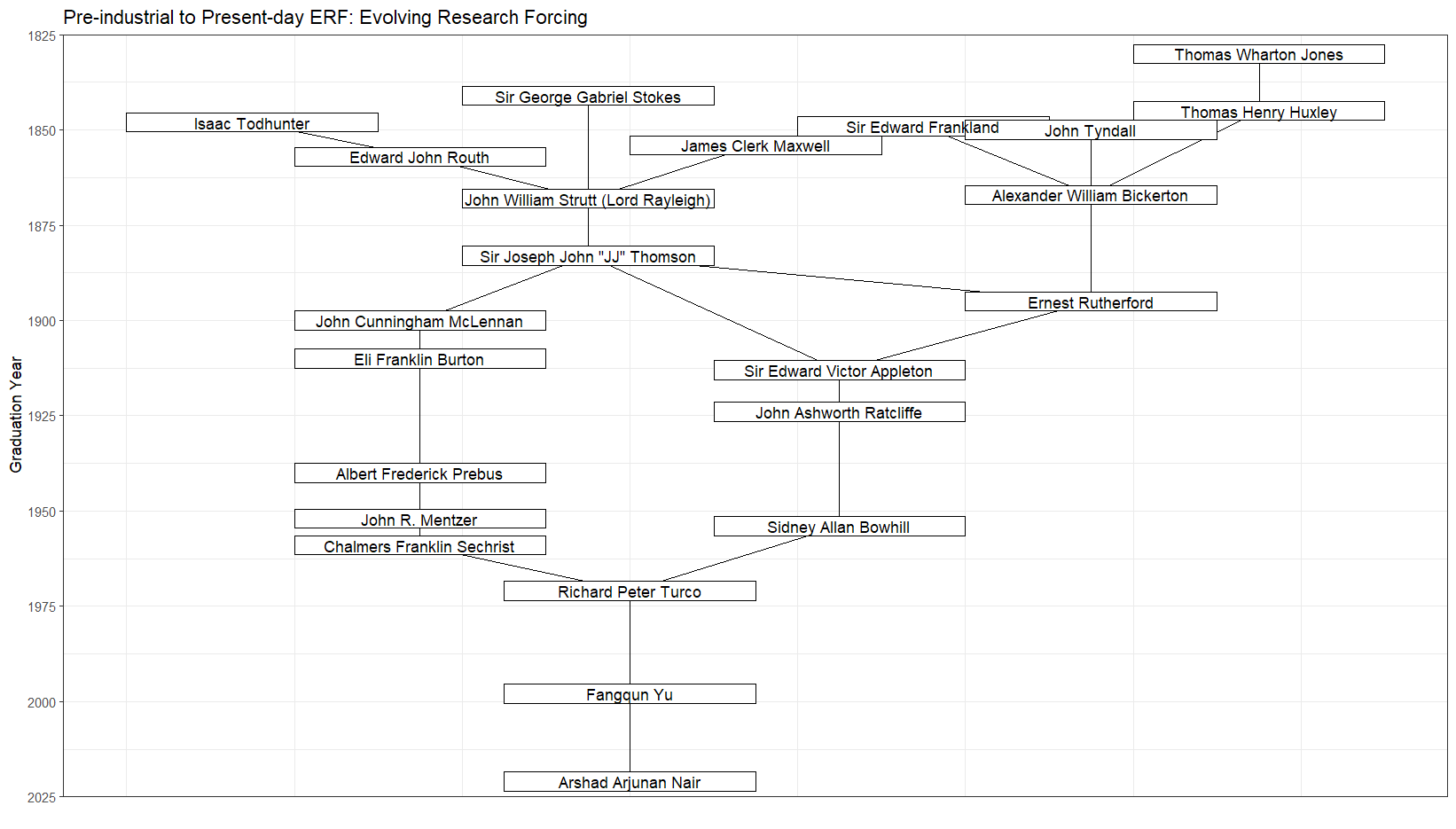
One of the fun things about research is discovering where a line of questions—and a line of teachers—can lead. My academic family tree begins in atmospheric science and wanders through electron microscopy, Cambridge mathematics, and the history of astronomy.
The recent portion follows doctoral advising. Farther back, the tree also includes teaching, mentorship, and connections through published work. These are different kinds of intellectual relationships, rather than an uninterrupted chain of Ph.D. supervision.
Doctoral advisers · Through Cambridge · Earlier connections
Atmospheric science and doctoral advisers
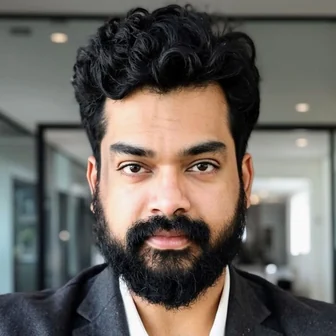
Arshad Arjunan Nair
Ph.D., University at Albany, State University of New York, 2021. Dissertation: The Role of Ammonia in Atmospheric New Particle Formation and Implications for Cloud Condensation Nuclei. Advised by Fangqun Yu.
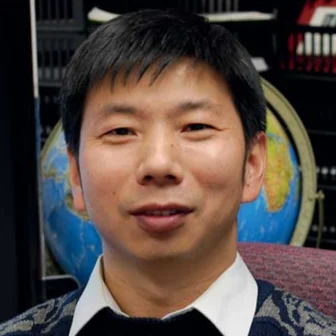
Fangqun Yu
Ph.D., University of California, Los Angeles, 1998. Dissertation: A Study of the Formation and Evolution of Aerosols and Contrails in Aircraft Wakes: Development, Validation and Application of an Advanced Particle Microphysics (APM) Model. Research contributions include ion-mediated atmospheric new particle formation. Advised by Richard Peter Turco.
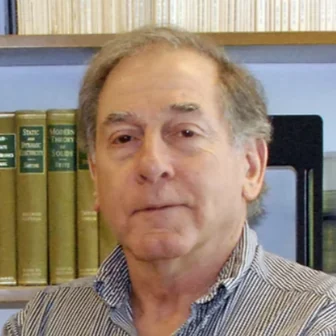
Richard Peter Turco
Ph.D., University of Illinois at Urbana-Champaign, 1971. Dissertation: An Investigation of the Ionospheric D Region at Sunrise. Known for research on nuclear winter. Primary adviser: Chalmers Franklin Sechrist, Jr.
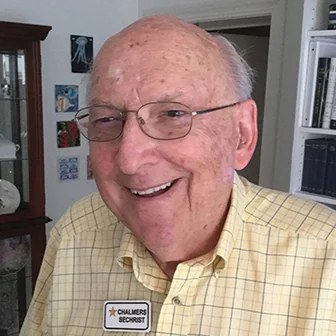
Chalmers Franklin Sechrist, Jr.
Ph.D., The Pennsylvania State University, 1959. Dissertation: Long Wave Sweep-frequency Investigation of the Lower Ionosphere at Vertical Incidence. Advised by John R. Mentzer.
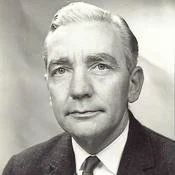
John R. (Jack Raymond) Mentzer
Ph.D., The Ohio State University, 1952. Dissertation: The Determination of the Radar Echoing Properties of Objects. Advised by Albert Frederick Prebus.
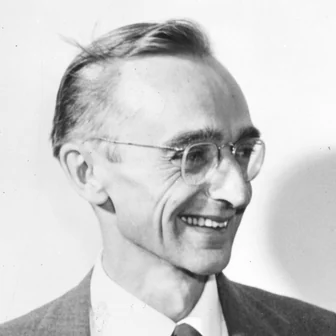
Albert Frederick Prebus
Ph.D., University of Toronto, 1940. Dissertation: The Construction of a Magnetic Electron Microscope of High Resolving Power. Known for work on electron microscopy in North America. Advised by Eli Franklin Burton.
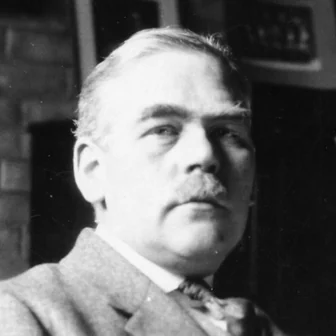
Eli Franklin Burton
Ph.D., University of Toronto, 1910. Dissertation: On the Physical Aspect of Colloidal Solution. Known for work on electron microscopy in North America. Advised by Sir John Cunningham McLennan.
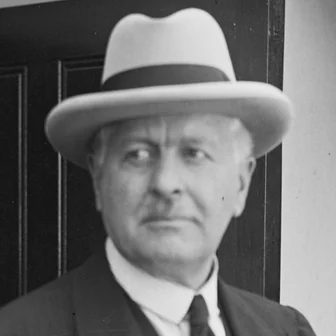
Sir John Cunningham McLennan
Ph.D., University of Toronto, 1900. Dissertation: Electric Screening in Vacuum Tubes. Known for work on helium liquefaction. The tree continues through J. J. Thomson.
Through Cambridge
These connections include advisers, teachers, and mentors from an era when academic training differed from the modern doctorate.
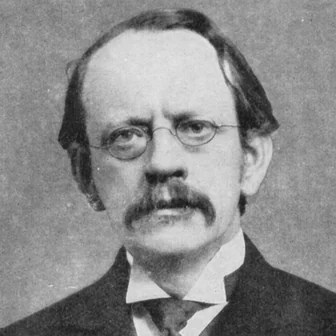
Sir Joseph John “J. J.” Thomson
M.A., University of Cambridge, 1883. Nobel Prize in Physics, 1906, for theoretical and experimental investigations of electrical conduction in gases.
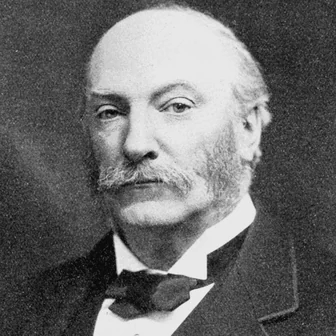
Lord Rayleigh (John William Strutt)
M.A., University of Cambridge, 1868. Nobel Prize in Physics, 1904, for investigations of gas densities and the discovery of argon.
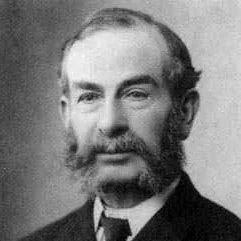
Edward John Routh
M.A., University of Cambridge, 1857. Known for contributions to control theory.
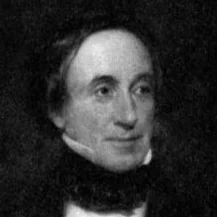
William Hopkins
M.A., University of Cambridge, 1830. Known for investigations of pressure and melting points.
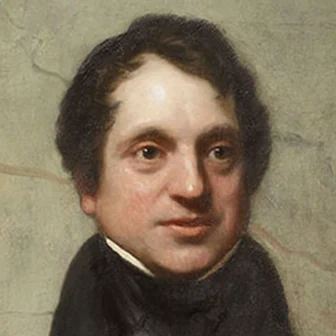
Adam Sedgwick
M.A., University of Cambridge, 1811. Known for the classification of Cambrian rocks.
Thomas Jones
M.A., University of Cambridge, 1782.
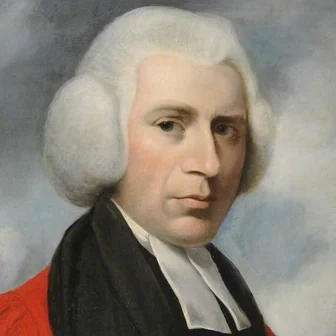
Thomas Postlethwaite
M.A., University of Cambridge, 1756.
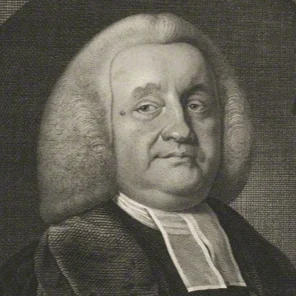
Stephen Whisson
M.A., University of Cambridge, 1742.
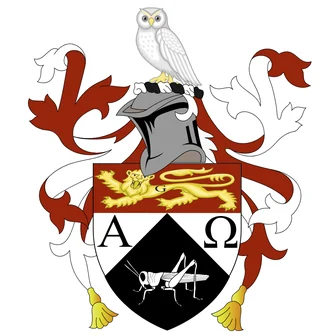
Walter Taylor
M.A., University of Cambridge, 1723.
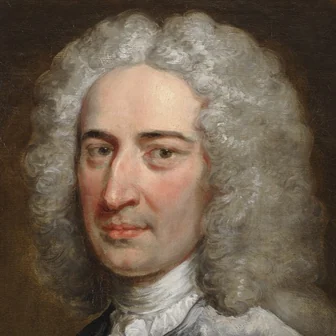
Robert Smith
M.A., University of Cambridge, 1715.
Roger Cotes
M.A., University of Cambridge, 1706.
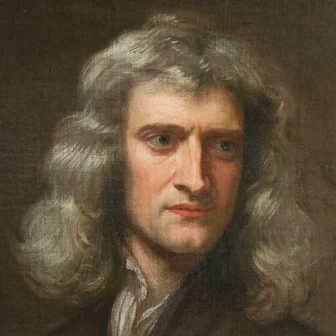
Isaac Newton
M.A., University of Cambridge, 1668. Known for classical mechanics, among many other contributions.
Earlier historical connections
The older branches bring together teaching and the transmission of ideas through mathematical and astronomical works.
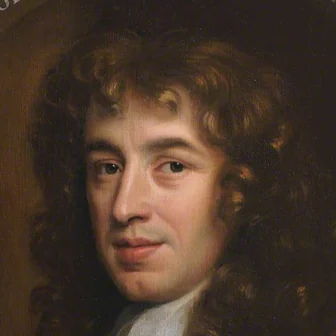
Isaac Barrow
M.A., University of Cambridge, 1652. Known for contributions to the fundamental theorem of calculus.
Vincenzo Viviani
Università di Pisa, 1642. Known for Viviani’s theorem.
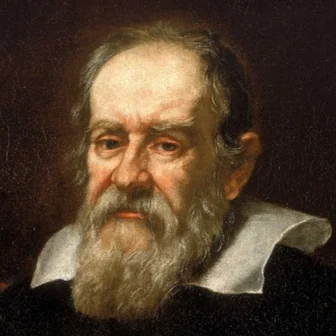
Galileo Galilei
Studied at Università di Pisa until 1585. Known for contributions to analytical dynamics and heliocentrism.
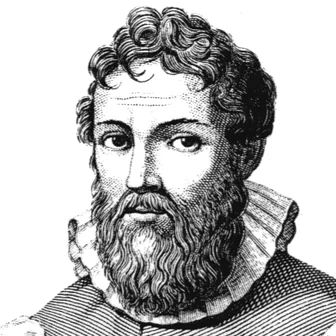
Ostilio Ricci
Università di Brescia. Known for teaching Galileo the mathematics of Euclid and Archimedes.
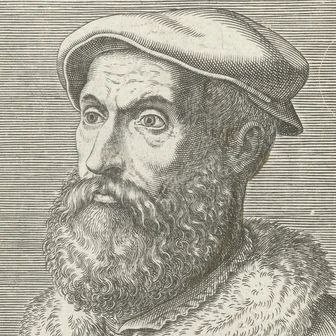
Niccolò Tartaglia
Verona and Venice, 1537. Work: Nova Scientia, on projectile motion. The tree’s connection to earlier mathematics follows translated works.
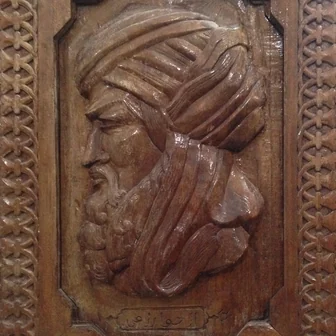
Muhammad ibn Musa Al-Khwarizmi
House of Wisdom, Baghdad, 820. Known for contributions to algebra and the transmission of the Hindu–Arabic numeral system.
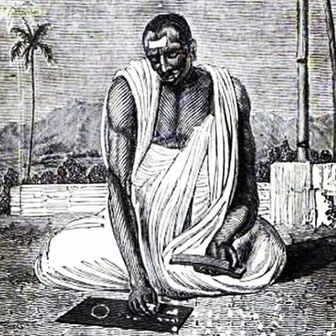
Brahmagupta
Brahmapaksha School of Astronomy, 628. Work: ब्राह्मस्फुटसिद्धान्तः (Brāhmasphuṭasiddhānta). Known for mathematical and astronomical contributions, including work on quadratic equations.